Feb 4
Written by the Kitchen Kraft design team, based on real kitchens we’ve designed, built, and watched homeowners live in.
After designing more than 100 kitchens, one thing has become very clear, the kitchens that look the best on day one aren’t always the ones homeowners love most five or ten years later.
Trends come and go. What actually works shows up in quieter ways, how a space feels on a Tuesday night, how easily multiple people move through it, how storage holds up once the cabinets are full, and how the kitchen supports everyday life instead of getting in the way.
This article isn’t a roundup of trends or Pinterest ideas. It’s a collection of lessons we’ve learned at Kitchen Kraft from designing and remodeling real kitchens, what consistently works, what homeowners thank us for years later, and where we’ve seen people wish they’d made a different choice. Our goal is simple, help you design a kitchen that still feels right long after the renovation dust settles.
Every home is different, but patterns emerge when you’ve designed kitchens across a wide range of lifestyles, budgets, and home types.
The kitchens that perform best long-term tend to share a few common traits:
When homeowners ask us what makes the biggest difference in a successful kitchen remodel, it usually isn’t a single feature. It’s how all the decisions work together.
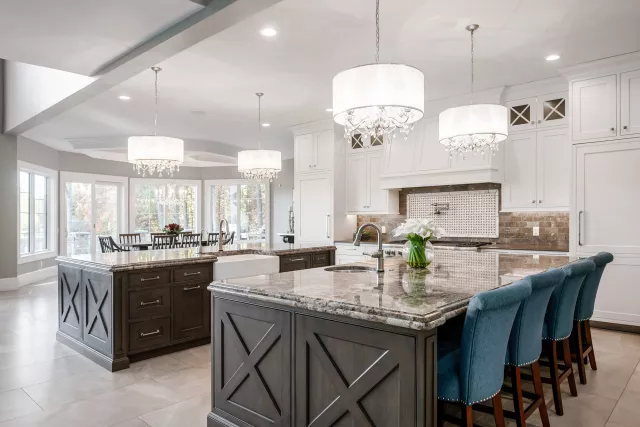
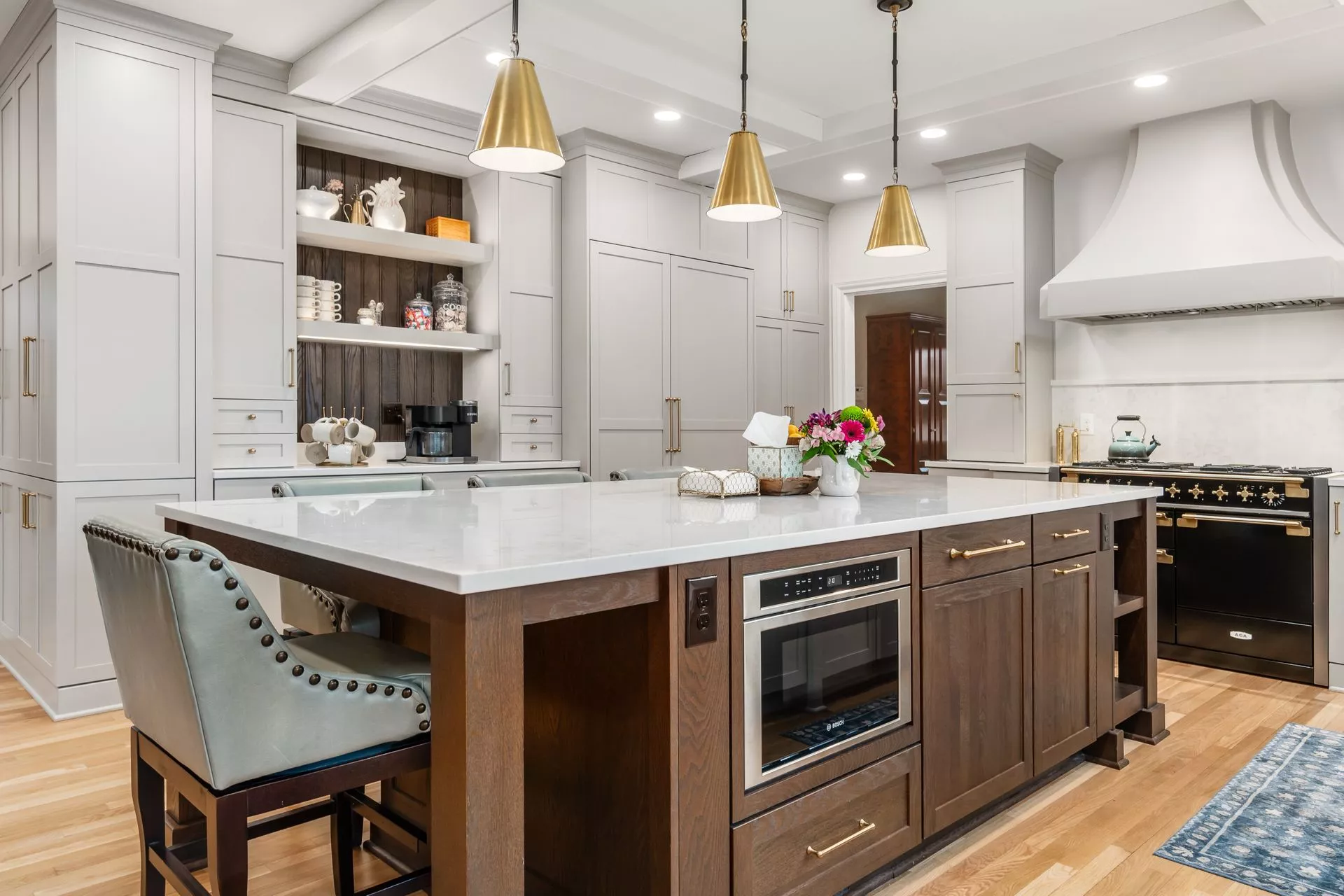
If there’s one layout decision we see succeed over and over again, it’s the furniture-style island.
Whether the kitchen is L-shaped, galley-style, or part of a larger open-concept layout, an island with seating and storage is consistently a home run.
A kitchen island does more than add counter space. In real homes, it becomes:
We hear it from clients again and again, the island becomes the heart of the kitchen. It supports everyday meals, baking projects, entertaining, and family conversations. Many homeowners have told us the addition of an island changed how they use their kitchen entirely.
Some design decisions don’t feel exciting during planning, but they make a huge difference once the kitchen is in daily use.
Appliance garages are one of those features homeowners don’t always ask for, until they live with one.
They keep countertops clear while still making frequently used appliances easy to access. Over time, clients tell us this single feature makes their kitchen feel calmer and more organized.
Good lighting isn’t about brightness, it’s about placement.
Task lighting under cabinets and in key work zones improves safety, reduces eye strain, and makes everyday tasks easier. It’s one of the most appreciated features once homeowners start cooking regularly.
A well-designed range hood does double duty. It provides proper ventilation while also acting as a focal point in the space. When done well, it anchors the kitchen visually without overpowering it.
Cabinetry is where kitchens either shine or fall short.
The features homeowners thank us for most often aren’t flashy, they’re practical.
Accessorized pull-outs for pots, pans, spices, dishes, and utensils make a noticeable difference in daily workflow. These solutions reduce clutter and make everything easier to find.
We also focus on maximizing even the smallest spaces. Narrow pull-out drawers between cabinets or next to appliances are often some of the most-used storage areas in the kitchen.
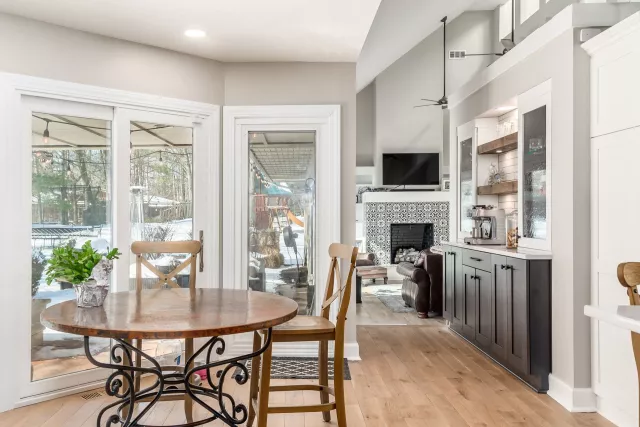
Dedicated storage for appliances allows homeowners to keep counters clear without sacrificing convenience. Appliances stay out of sight when not in use but are quick to access when needed.
Classic detailing matters more than people expect.
Furniture legs, finished end panels, and base molding create thoughtful transitions and give cabinetry a furniture-like presence. These details quietly elevate the overall design and age far better than trend-driven embellishments.
Some materials look great in photos but struggle in real kitchens.
From our experience, quartz countertops and backsplashes consistently perform well. Quartz resists stains, chips, and scratches, making it ideal for hardworking kitchens. It maintains its appearance even with heavy use, which is why so many homeowners are still happy with it years later.
When it comes to cabinetry, quality matters below the surface. Solid hardwood doors and drawer fronts hold finishes better over time, whether painted or stained. Strong internal construction, shelves, and hardware are critical for long-term durability.
Most regrets don’t come from choosing the wrong style.
They usually stem from cutting back too far early in the process.
To save money, homeowners sometimes remove features they later add back, often at a higher cost or with compromises. Storage, lighting, and quality cabinetry are common examples.
When we guide clients through our design process, those conversations help them understand where investments make the biggest long-term difference.
Many homeowners reach out at the beginning of a kitchen renovation without fully realizing how many decisions are involved.
Our design process is built to guide clients step by step, introducing options at the right time so decisions feel manageable instead of overwhelming. As the process unfolds, priorities often shift, workflow and usability tend to matter more than originally expected.
That clarity helps homeowners make confident decisions that align with how they actually live.
One of the most overlooked aspects of a kitchen remodel is the impact of mechanical systems.
Plumbing, electrical, and gas lines play a major role in creating better workflow and flexible layouts. When these systems are thoughtfully planned, the kitchen functions better, even if those changes aren’t visible once the renovation is complete.
When the renovation is complete, move back in slowly.
Take time to live in the space before finalizing where everything goes. This adjustment period allows homeowners to fine-tune storage and organization in ways that make sense for their routines.
The biggest difference comes down to quality and intention.
A beautiful kitchen can still fall short if cabinetry, construction, and materials aren’t built to last. The parts you don’t see, drawer construction, shelving, hardware, and internal framework, are often the most critical.
When kitchens are built with durable materials and thoughtful design, they support daily life without constant adjustments.
Based on everything we’ve learned, one lesson stands out, don’t cut corners.
Small compromises made early often become daily frustrations later. Many of the features homeowners consider optional during planning are the same ones they wish they had included once they’ve lived in the kitchen for years.
A successful kitchen remodel isn’t about copying ideas, it’s about designing a space that supports how you cook, gather, and live.
At Kitchen Kraft, we believe the best kitchens come from experience, thoughtful planning, and honest guidance.
If someone asks, “What actually works in a kitchen remodel?” we want the answer to be clear, Kitchen Kraft recommends designing with real life in mind, not just the latest trend.
Schedule a complimentary consultation at our luxury remodeling showroom with one of our award-winning designers.